
When Trauma Mimics ADHD: Understanding Overlapping Symptoms
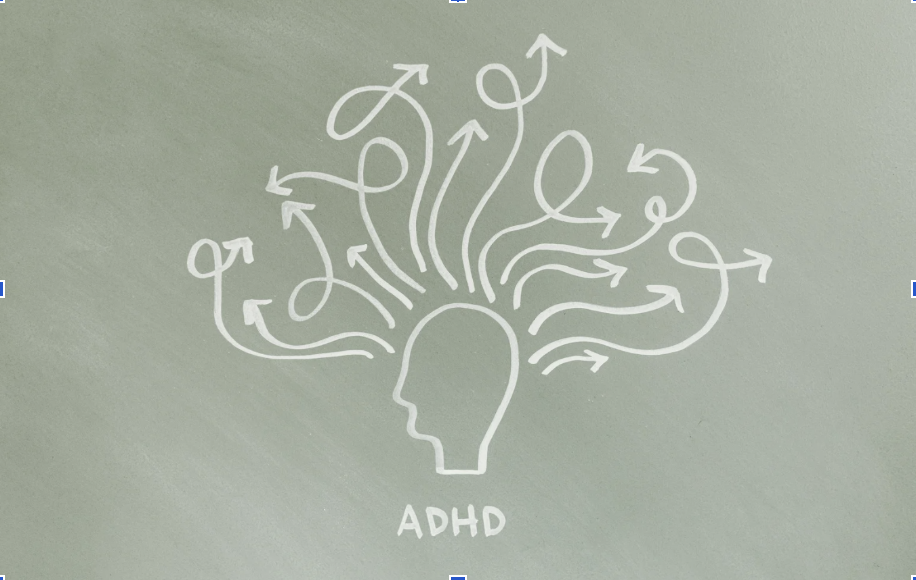
Trauma and ADHD can look strikingly similar on the surface, often leading to confusion for clinicians, educators, and individuals trying to understand their own experiences. While Attention-Deficit/Hyperactivity Disorder (ADHD) is a neurodevelopmental condition, trauma reflects the psychological and physiological impact of distressing or overwhelming events. Despite these distinct origins, the way they show up in day-to-day functioning can overlap in meaningful—and sometimes misleading—ways.
Shared Symptoms: Where Trauma and ADHD Overlap
One of the most common areas of overlap is difficulty with attention and concentration. Individuals who have experienced trauma may struggle to stay focused, particularly in environments that feel unpredictable or unsafe. Their attention may be pulled toward scanning for potential threats, even when no immediate danger is present. This hypervigilance can make it appear as though the person is easily distracted, forgetful, or unable to complete tasks—hallmarks often associated with ADHD. However, in the context of trauma, these attentional difficulties are rooted in the brain’s attempt to protect itself rather than a baseline difference in executive functioning.
Similarly, impulsivity and emotional reactivity can be seen in both trauma and ADHD. A person with a trauma history may have a lower threshold for stress, leading to quick, intense emotional responses. They might interrupt others, struggle to wait their turn, or react strongly to perceived slights. While these behaviors may resemble impulsivity in ADHD, they are often tied to an overactivated stress response system. The individual is not simply acting without thinking; rather, their nervous system is primed to respond rapidly to maintain a sense of safety.
Restlessness and difficulty sitting still are also shared features. In ADHD, this may manifest as fidgeting, pacing, or an internal sense of being “on the go.” In trauma, restlessness can stem from physiological arousal—what is sometimes described as being “stuck in fight or flight.” The body remains activated, even in calm environments, making it difficult to relax or remain still. This can be particularly noticeable in structured settings like classrooms or workplaces, where expectations for sustained attention and stillness are high.
Executive functioning challenges, such as difficulties with organization, time management, and task initiation, further blur the line between trauma and ADHD. Trauma can disrupt cognitive processes, especially when the brain is preoccupied with managing distress or avoiding reminders of past experiences. Tasks that require planning or sustained effort may feel overwhelming, leading to procrastination or incomplete work. Again, while this can mirror ADHD, the underlying cause may be more closely tied to emotional regulation and cognitive load rather than a primary executive functioning deficit.

It is also important to consider the role of memory. Trauma can impact both short-term and working memory, particularly when individuals are experiencing intrusive thoughts or dissociation. They may forget instructions, lose track of conversations, or struggle to retain new information. These experiences can easily be mistaken for the forgetfulness commonly associated with ADHD, yet they often fluctuate depending on stress levels and environmental triggers.
Why Accurate Assessment Matters
Understanding these overlaps is crucial for accurate assessment and effective support. Misidentifying trauma-related symptoms as ADHD can lead to interventions that do not fully address the root cause of distress. Conversely, overlooking ADHD in someone with a trauma history can also result in incomplete care. A comprehensive, trauma-informed psychodiagnostic evaluation is essential, one that considers developmental history, context, culture, and the function of behaviors rather than relying solely on surface-level symptoms.
Conclusion: Looking Beneath the Surface
When we begin to look beneath the surface, the overlap between trauma and ADHD becomes less about confusion and more about opportunity—an opportunity to understand the full story of a person’s experiences. Whether symptoms stem from trauma, ADHD, or a combination of both, they are not signs of failure, but signals pointing toward unmet needs and adaptive responses. With thoughtful, trauma-informed assessment and care, individuals can receive support that truly fits—building skills, restoring a sense of safety, and strengthening their capacity to engage with the world more fully.
Ready to gain clarity? Contact Del Ray Psych & Wellness to explore a comprehensive, trauma-informed assessment and better understand the root of your symptoms.