
A Closer Look at Gestalt Empty Chair Therapy and Anxiety
Suppose you’ve ever imagined having a conversation with someone who isn’t there, rehearsing what you’d say, playing out different scenarios in your mind. In that case, you’ve already touched on something that Gestalt empty chair therapy makes use of.
This therapeutic technique takes that natural human tendency and transforms it into a structured, powerful tool for healing, particularly when it comes to understanding and managing anxiety.
What Empty Chair Therapy Actually Is
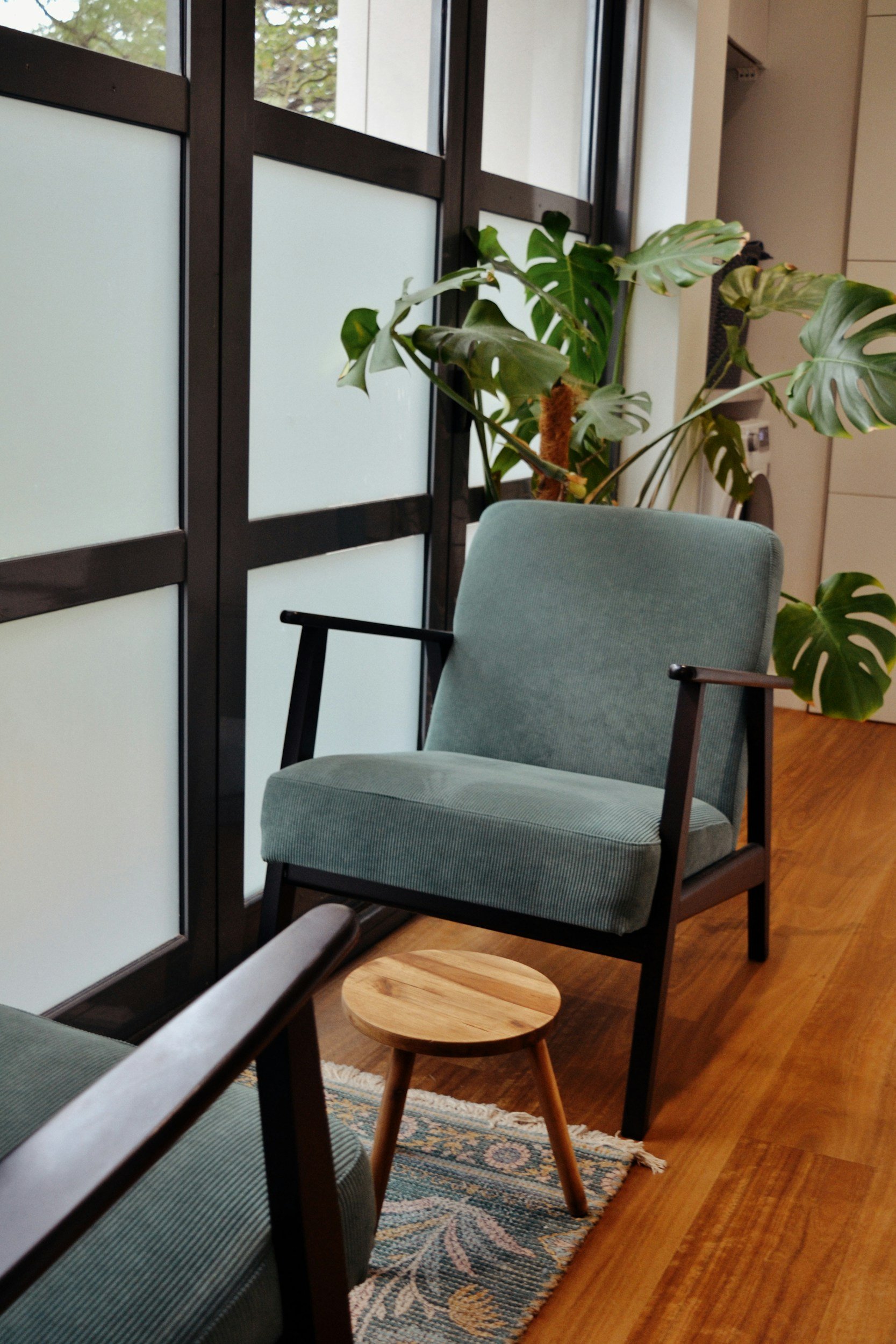
The concept is deceptively simple. You sit facing an empty chair and speak to it as if someone, or some part of yourself, were sitting there. Sometimes you switch seats to respond from that other perspective. While it might feel a bit unusual at first, this technique is grounded in how our brains process emotion, memory, and internal conflict.
When you visualize or imagine someone, your brain responds as if that person were actually present. That’s why replaying an argument in your mind can make your heart race even when you’re alone in your living room.
Empty chair work creates a safe, structured space to engage with thoughts and feelings that might otherwise circle endlessly without resolution. It helps you externalize internal conflicts, putting them “out there” where you can actually see and address them rather than keeping everything bottled up inside.
The Connection Between Empty Chair Work and Anxiety
Anxiety doesn’t usually come from nowhere. There’s typically something underneath it, like a fear, an expectation, an unmet need, or an unresolved emotional experience. Empty chair therapy helps you identify what’s really driving your anxiety by giving you permission to speak honestly to the chair, whether it represents another person, a younger version of yourself, or even a part of your own internal dialogue.
When you engage in this kind of work, you often uncover insights you weren’t consciously aware of before. Maybe your anxiety about conflict actually points back to childhood experiences. Perhaps relationship anxiety reflects earlier attachment wounds you haven’t fully processed. By bringing these deeper layers into the open, you gain clarity that can significantly reduce anxious feelings.
Giving Voice to Your Internal World
Many people with anxiety experience a kind of internal chaos; different parts of themselves talking over each other, competing for attention, and never fully being heard. There might be a part that feels overwhelmed, another that’s angry, and still another that feels small and scared. Empty chair therapy creates space for each of these parts to be acknowledged one at a time.
This technique is particularly powerful when working with the inner critic, that harsh internal voice that tells you you’re not enough, that everyone’s judging you, that you’ll inevitably mess things up. By placing the critic in the chair and engaging with it directly, you can challenge its authority. When you switch seats to explore where that critical voice came from, you start to see it more clearly, which naturally reduces its power over you.
The Path Toward Self-Compassion
One of the most beautiful aspects of empty chair therapy for anxiety is what happens when you switch seats to speak as your younger self or your anxious self. Something shifts when you respond to that vulnerable part of yourself with the same care you’d offer a child or a close friend. This naturally cultivates self-validation, emotional softness, and inner reassurance, all of which create a calmer internal environment and serve as powerful protective factors against anxiety.
Finding Support for Your Journey
If you’ve been living with anxiety that feels rooted in old wounds, unresolved relationships, or persistent internal conflict, empty chair therapy could offer the breakthrough you’ve been looking for. At Del Ray Psych & Wellness, our therapists use evidence-based, holistic approaches to help you understand not just your anxiety, but yourself. You deserve tools that create real, lasting change. Reach out to us to learn how we can support your healing journey.