Healing Mind, Body, and Spirit: A Holistic Approach for Veterans
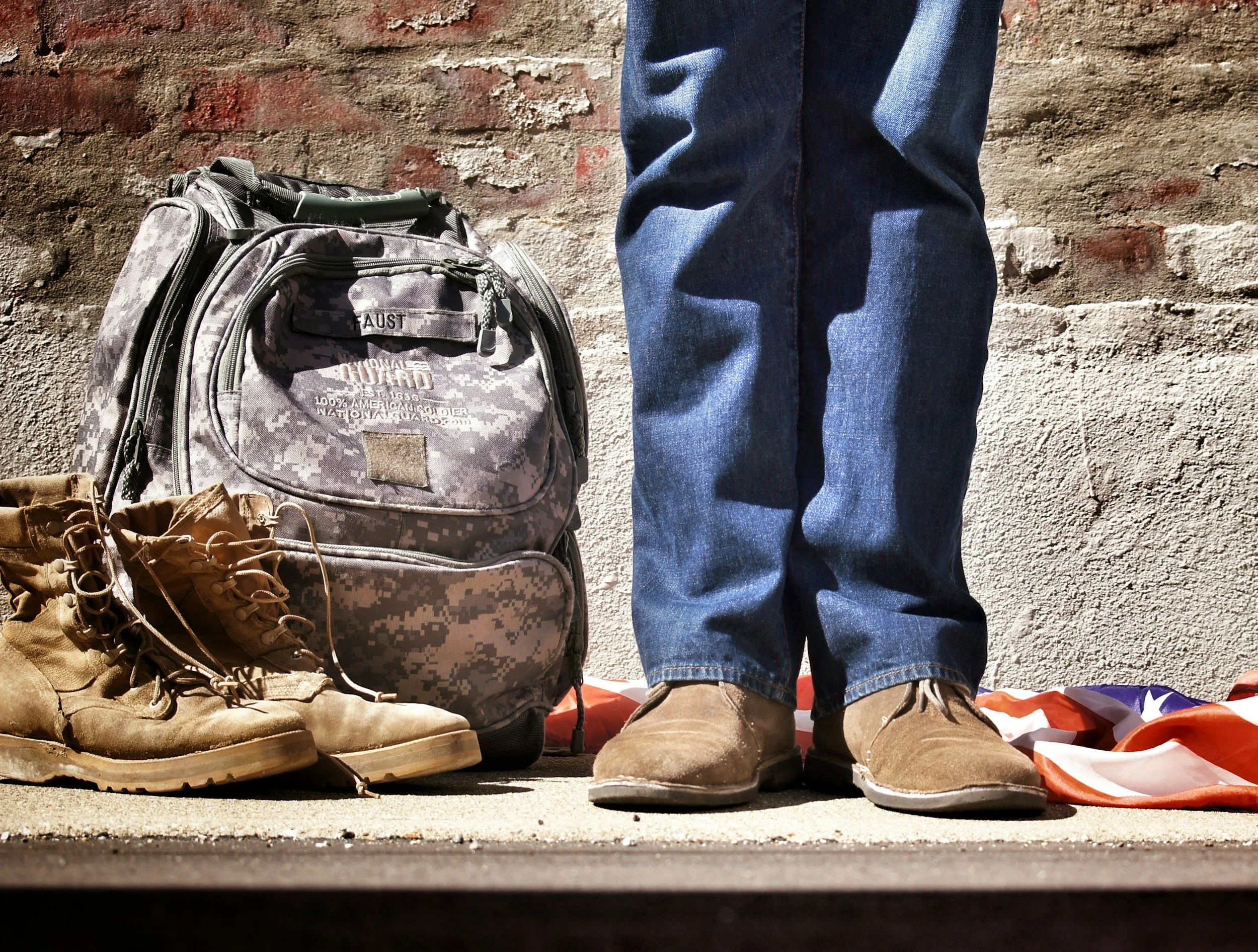
At Del Ray Psych and Wellness, we’re exploring what it means to heal the whole person—mind, body, and spirit—through evidence-based and holistic modalities such as EMDR, Ketamine-Assisted Psychotherapy (KAP), and somatic work. The need for tailored, multi-modal care (rather than “one size fits all”) is heightened in veteran populations—who may have co-occurring issues such as TBI, chronic pain, and substance use.
These approaches can work together to help veterans move beyond survival and into genuine restoration. If we look at a person as a whole rather than just the brain, it is imperative to heal on multiple levels.
Healing isn’t linear, and it doesn’t look the same for everyone. But when we approach trauma through multiple doorways—psychological, physiological, and spiritual—we create more opportunities for growth, relief, and reconnection.
If we take a multilayered approach and begin by addressing the mind, we must work on “unsticking” distressing memories- by processing one’s experiences in the safety of a therapist’s office. The goal is to have the memories retrieved, processed, and reconsolidated in a less threatening way. Eye Movement Desensitization and Reprocessing or EMDR is one of the most empirically researched ways to treat trauma by helping veterans recall experiences without being overwhelmed by them. The use of EMDR - which includes the use of eye movements or tapping helps rewire the brain’s responses thus bringing emotional relief and a new perspective on life. EMDR is also effective in processing what the body is carrying that the mind cannot fully process. By also focusing on the body’s sensations, veterans can tune into where fear, grief, or trauma is stored.
Adding the next layer to healing can be achieved through the use of guided relaxation, hypnosis, breathwork, and mindfulness training. This can help bring immediate relief to anxiety and hypervigilance by allowing the body to release patterns of anxiety, pain, or hyperarousal of the nervous system. Such modalities can strengthen a sense of inner calm and control, creating space for healing that feels grounded and self-directed.Gentle, guided awareness can help release tension, regulate the nervous system, and restore a sense of safety and presence in one’s own body.
The final layer of healing can be achieved by adding Ketamine Assisted Psychotherapy (KAP). As a result, the client can combine the neurobiological benefits of ketamine with the emotional support of psychotherapy. For many veterans, KAP offers a new way to work through depression, trauma, and disconnection. In a safe therapeutic setting, it can open pathways to insight, compassion, and emotional release—often where other treatments have plateaued.
What is notable about these modalities is how they complement one another. EMDR helps reprocess memories, hypnosis and meditation support relaxation and focus, and KAP opens new emotional landscapes that help reconnect the physical body with the healing process. Together, they form a deeply integrative model that honors the full human experience of recovery.
Moving forward into the future of trauma treatment, there is also a vast and growing amount of evidence supporting the use of MDMA-Assisted Psychotherapy and Psilocybin Assisted Psychotherapy for trauma treatment in veterans. These studies are currently undergoing clinical trials and have shown significant short-term and long-term remission rates. These medicines (classified as psychedelics) work in part by reducing the fear response, increased emotional openness, improving therapeutic alliance and increased capacity to process trauma memories in a safer way. This matters for veterans in particular as they often have treatment-resistant PTSD, meaning existing therapies (medication, standard psychotherapy) are often not sufficient.
Because veteran trauma often involves moral injury, sustained hyperarousal, or complex trauma (combat, repeated deployments), the added emotional and spiritual experience of psychedelics including ketamine, MDMA, and psilocybin may allow deeper processing.This matters for veterans who have not responded to conventional therapies. Because it is estimated that only about half of veterans experience some benefits to conventional medications and psychotherapy, it is imperative that we find alternate ways to address this population. It is also estimated that only about 20-30% reach full remission with conventional approaches alone- especially with chronic trauma.
By looking at each person in an individualized way versus “one size fits all”, we can better meet the needs of our veterans. For veterans and all clients who have experienced trauma, the use of traditional approaches is simply not enough. Addressing the layers of a person and providing a safe therapeutic environment is necessary. There is no “magic pill” for healing, but there is magic in applying different treatment modalities to address the mind, body, and spirit.
Healing Mind, Body & Spirit for Our Veterans 🇺🇸
At Del Ray Psych & Wellness, we believe healing trauma requires more than a “one size fits all” approach. Veterans deserve care that honors the whole person—mind, body, and spirit.
Through modalities like EMDR, Ketamine-Assisted Psychotherapy (KAP), and somatic and mindfulness work, we help veterans move beyond survival into genuine restoration.
Healing isn’t linear—and it doesn’t look the same for everyone. But when we approach trauma through multiple doorways—psychological, physiological, and spiritual—we open space for growth, relief, and reconnection.